

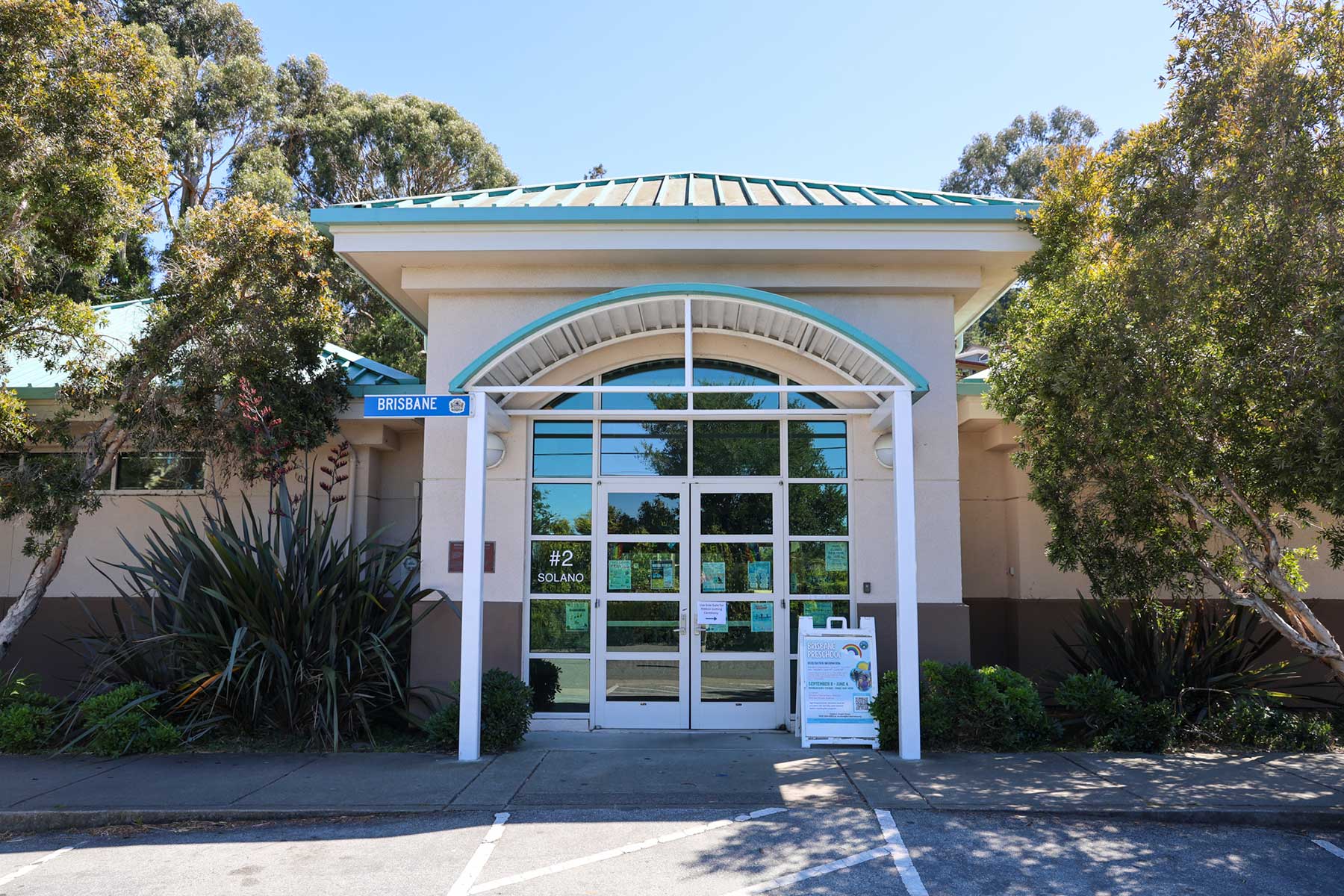
In 2000, the City of Brisbane, California officially opened its community pool, a 75-foot outdoor heated pool with a zero-depth entry. The city was interested in updating its heating system for the pool and converting it to an electric system and reached out to ACCO, which drafted a rough design for the system.
Project Requirements
Work on the project began in January 2024, with a desire for completion prior to the Summer of 2026. This put pressure on the project team as they needed to complete the work before the local schools were closed for summer break. A majority of the work was done near a busy, single-entry roadway, limiting the number of closures the team was able to use. This made for an often disjointed workflow, but the team was able to circumvent much of this by staying diligent in their scheduling and assigning daily tasks.
What ACCO Delivered
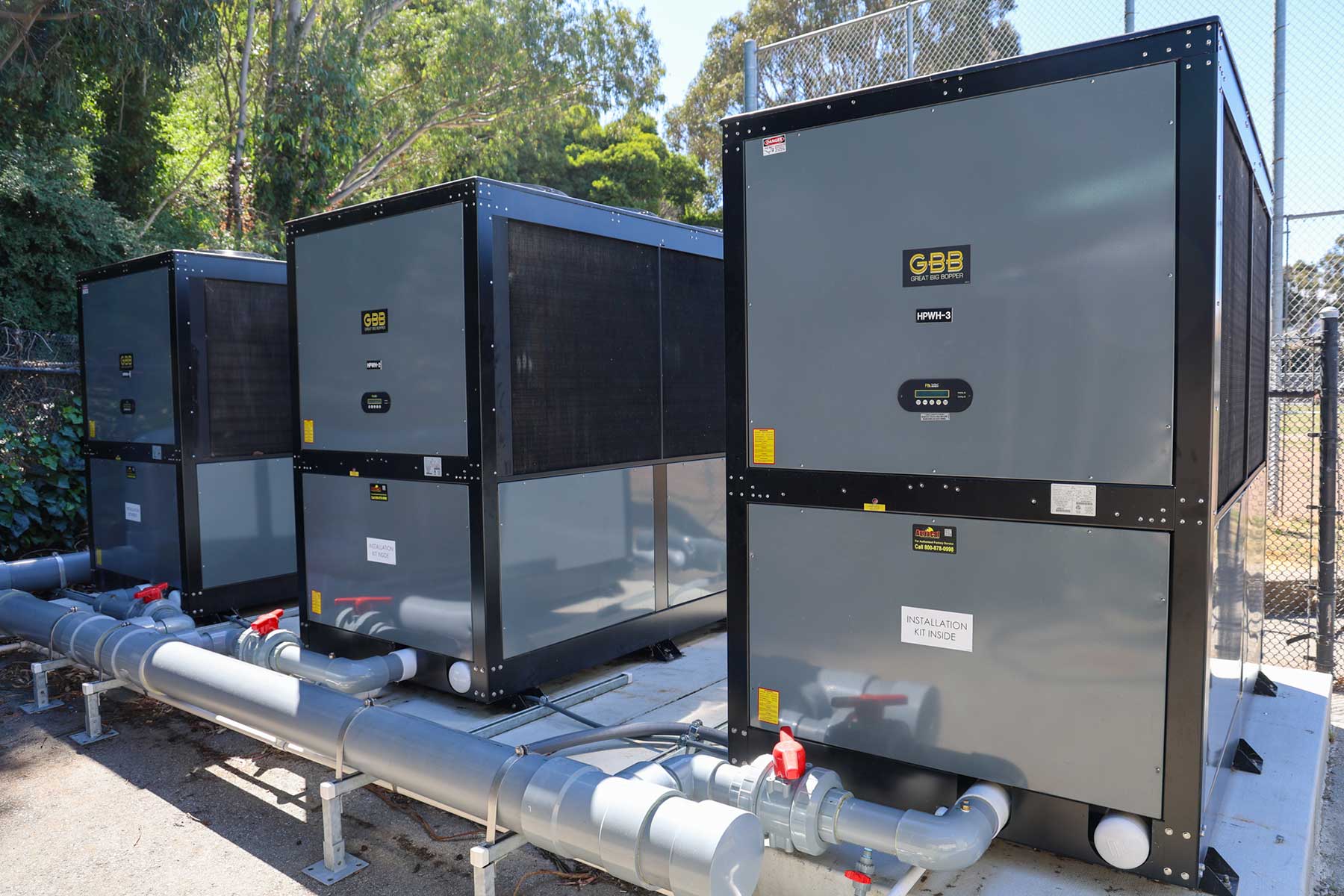
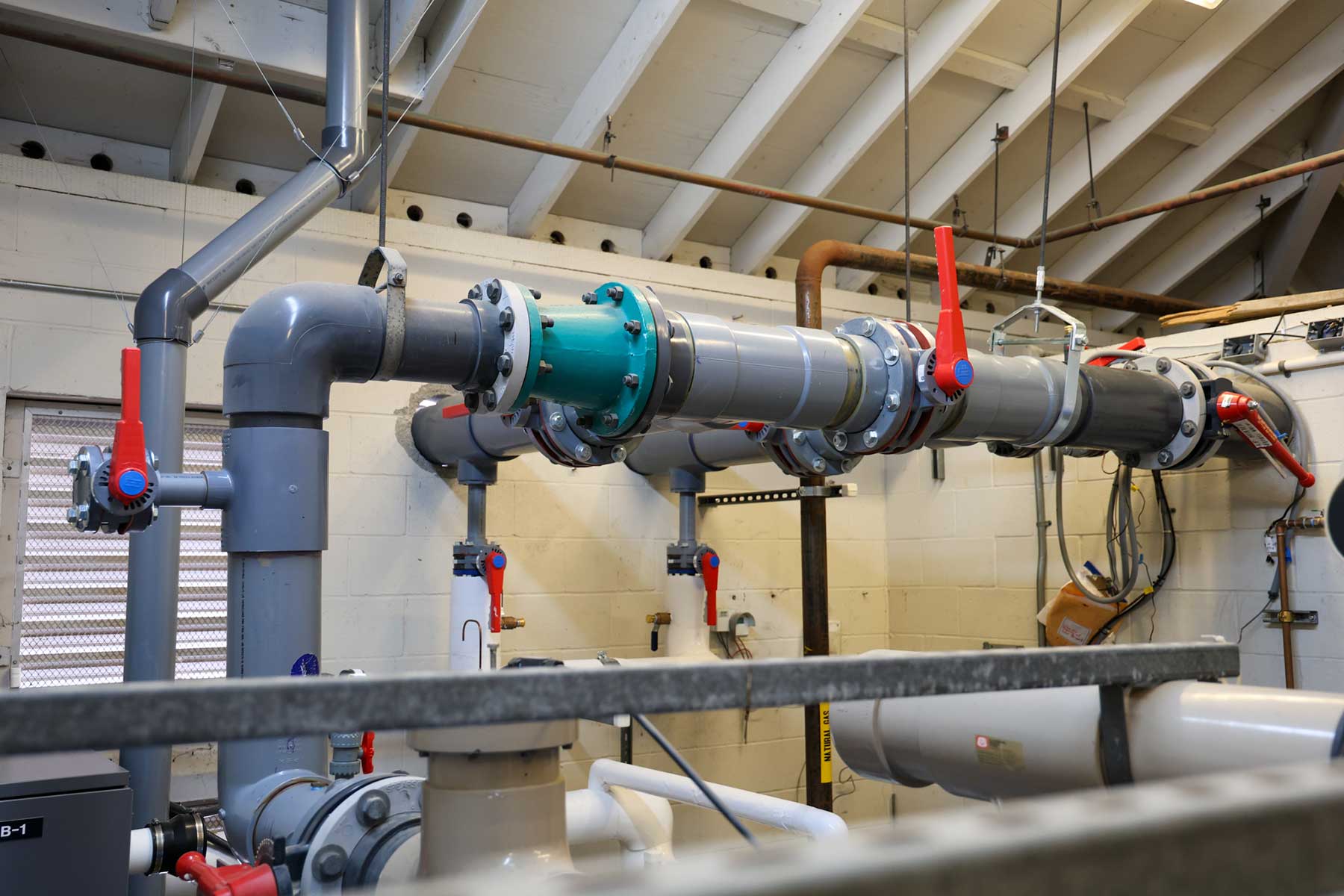
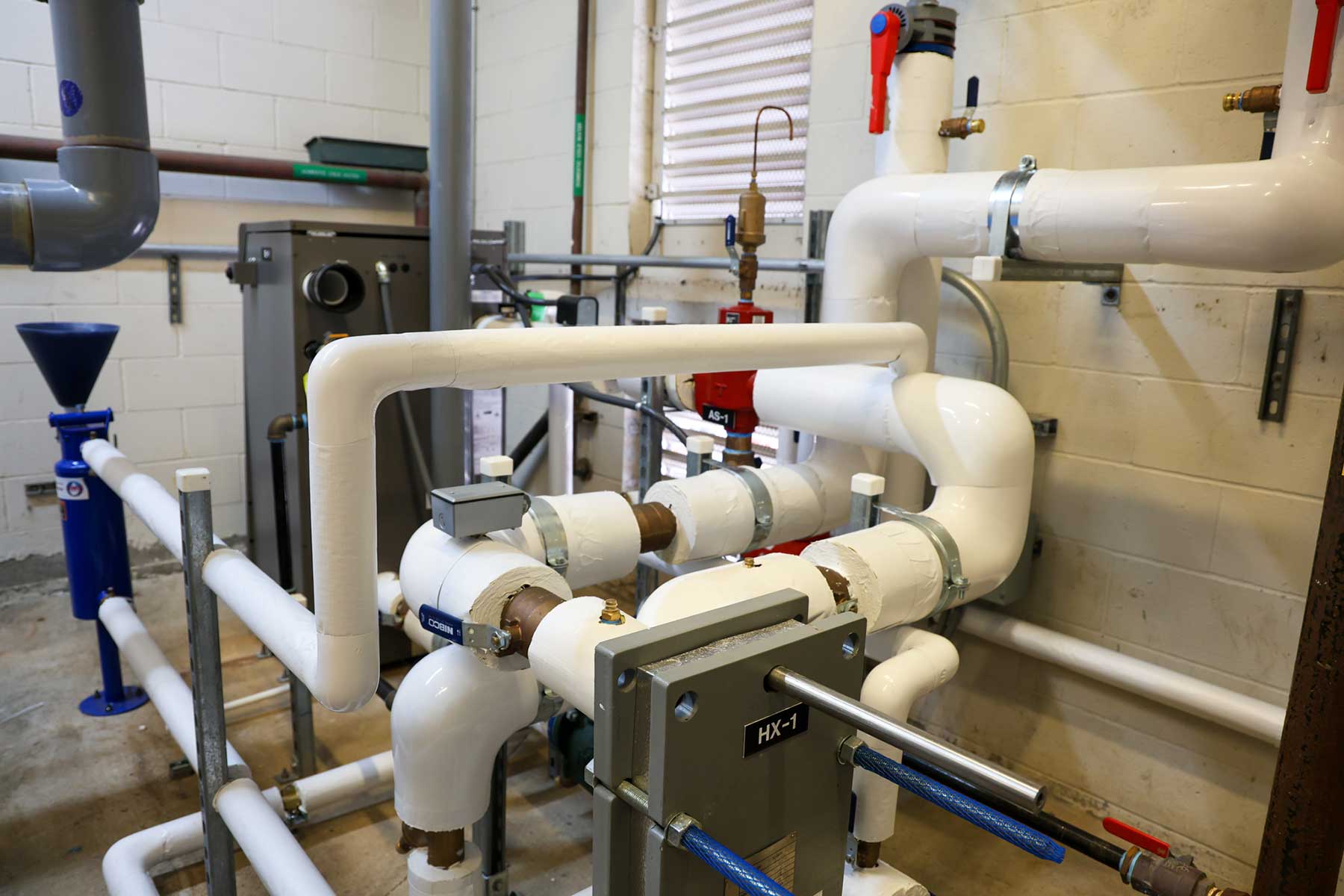
ACCO delivered a complete, ready-to-use hybrid electric/gas heating system. Additionally, the team added new utilities to the back of the property 300 feet away and a new mechanical pad for the three heat pumps, including new CPVC piping connecting the heat pumps to the existing pool piping system. The technology utilized is not new, but Brisbane is the first city in California to use heat pumps for a community pool. Though the system is intended to be powered by electricity, the team also installed a 500 MBH boiler to the system as a backup heat source and to assist with heating during peak demand in the colder winter months.
Metro Electric, the electrical contractor for the project, was key in designing the electrical system and working through the Pacific Gas and Electric Company (PG&E) application and implementation.